Love your Rancho Bernardo home and want to stay put for years? You’re not alone. Many homeowners here plan to age in place, but the best results come from thoughtful upgrades made well before you need them. In this guide, you’ll learn what to prioritize, how to phase projects over time, realistic cost ranges, and how local wildfire and permit rules shape smart choices. Let’s dive in.
Why plan now in Rancho Bernardo
Rancho Bernardo has an older population compared with much of San Diego. City planning data shows about 41,810 residents and roughly 11,630 residents age 65 or older, with a median age near 47.8. The community also has a large share of single-family homes, including around 8,896 detached and 4,413 attached units. That mix makes aging-in-place planning both practical and valuable for resale. You can confirm these local trends in the City’s community data summary for Rancho Bernardo.
Beyond demographics, our hillside terrain and wildfire risk affect outdoor design, access routes, and maintenance. San Diego Fire-Rescue encourages an ember-resistant “Zone 0” in the first 5 feet around the home, which changes how you handle entryways, planters, and fences. Thinking ahead helps you create safe, low-maintenance spaces that fit both comfort and local guidance.
Start with layout and access
A home that works for decades starts with the floor plan. You want a layout that reduces daily friction and keeps essential spaces on the main level.
Single-level or main-floor suite
If you can, choose a single-level home. If not, make sure you have a fully functional primary suite on the main entry level. That means a bedroom plus a full bath on the same level as your main living areas. The NAHB and AARP checklists emphasize this as a top priority because it prevents costly later moves.
Doorways and clearances
Plan for wider doors now so you do not need to reframe later. A 36-inch nominal door usually yields a comfortable clear opening. For movement through halls and rooms, target 36 inches of clear route and allow a 60-inch turning circle in key rooms if future mobility devices are a possibility. These are common dimensional targets drawn from accessibility standards that make day-to-day life easier.
Entry and thresholds
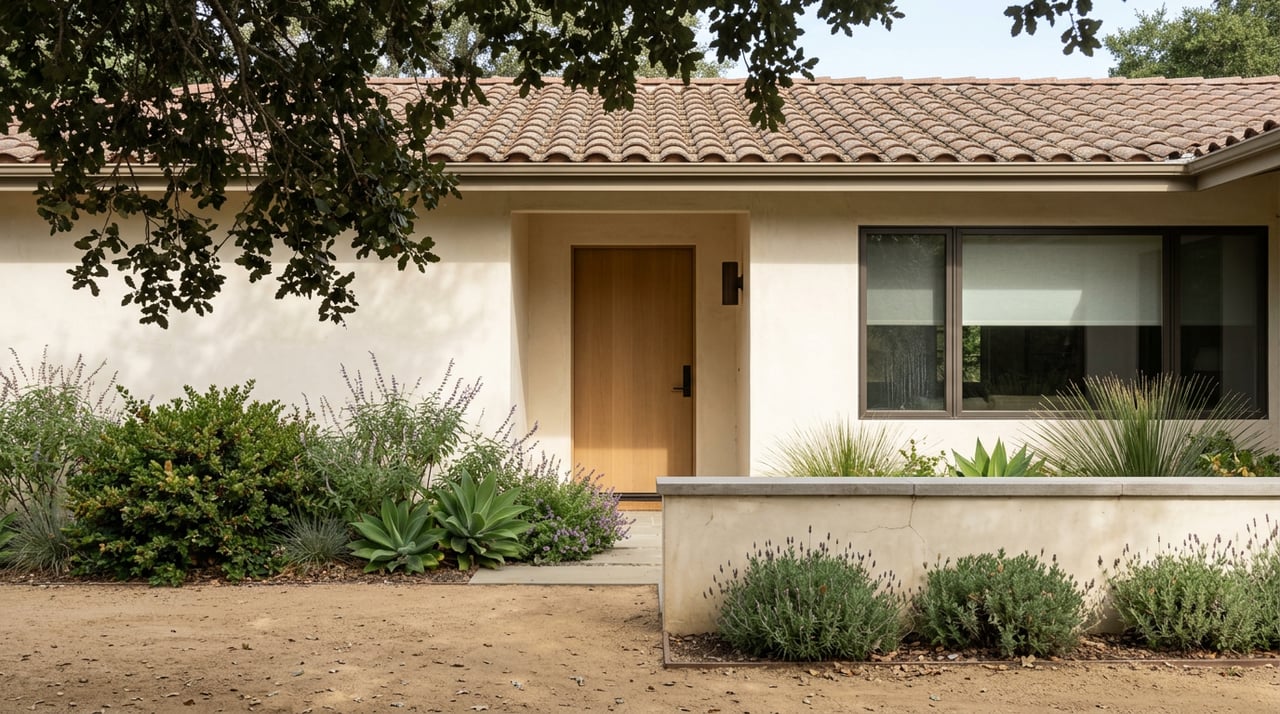
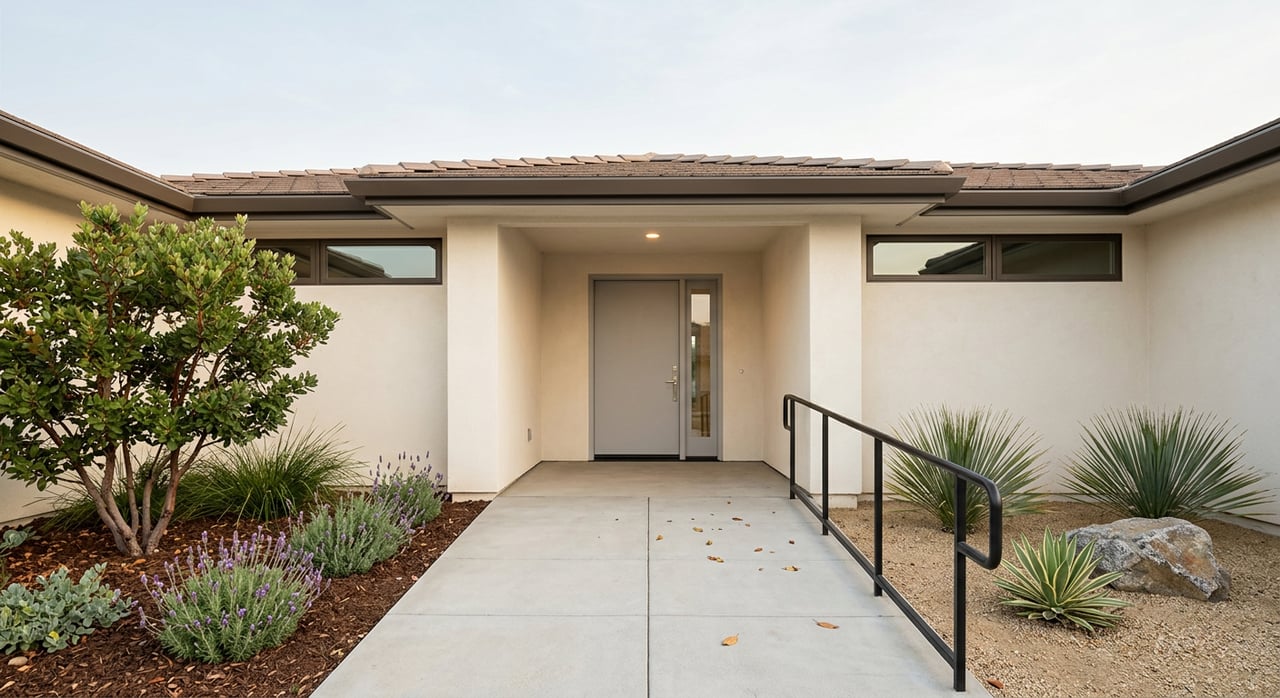
A zero-step entry is one of the most valuable upgrades. If you must keep a threshold, make it low and beveled. Federal guidance recommends thresholds on accessible routes not exceed one-half inch. Treat the main entry as a priority so deliveries, guests, and daily routines remain easy and safe.
Safer bathrooms and kitchens
Bathrooms and kitchens are where small changes deliver big quality-of-life gains. Start with reach, slip resistance, and water temperature control.
Bathrooms: build in flexibility
- Leave a 30-inch by 48-inch clear floor space at fixtures and a 60-inch turning area where feasible.
- Consider a curbless shower. A commonly used roll-in footprint is about 36 inches by 60 inches. Install in-wall blocking now so future grab bars can be added cleanly.
- Use lever handles and a thermostatic mixing valve to cap hot water temperature.
- Choose a comfort-height toilet and include a handheld showerhead for easier bathing support.
Practical planning resources and layouts are covered in professional bath design guides that align with these targets.
Kitchens: make daily tasks easier
- Use pull-out trays and drawer bases instead of deep base cabinets.
- Create at least one knee-clear work zone for seated prep.
- Keep a continuous 36-inch route through the kitchen to move safely with hands full.
- Focus on task-based improvements first, then phase in full remodels later. NAHB and AARP guidance supports this staged approach.
Stairs and vertical movement
If you live in a multi-level home, you have options at different price points. A straight-run stairlift is usually the most affordable and quickest to install. Curved lifts cost more. For long-term, hands-free access, a residential elevator or a vertical platform lift can be considered, though these require greater budgets and planning. NerdWallet summarizes these choices and why many owners phase them in as needs evolve.
Outdoor living that is low-maintenance and wildfire-smart
Our Mediterranean climate and hillside lots reward durable, slip-resistant surfaces and simple plant palettes. Align your landscape with the City’s defensible-space guidance to reduce maintenance and risk.
Ember-resistant Zone 0
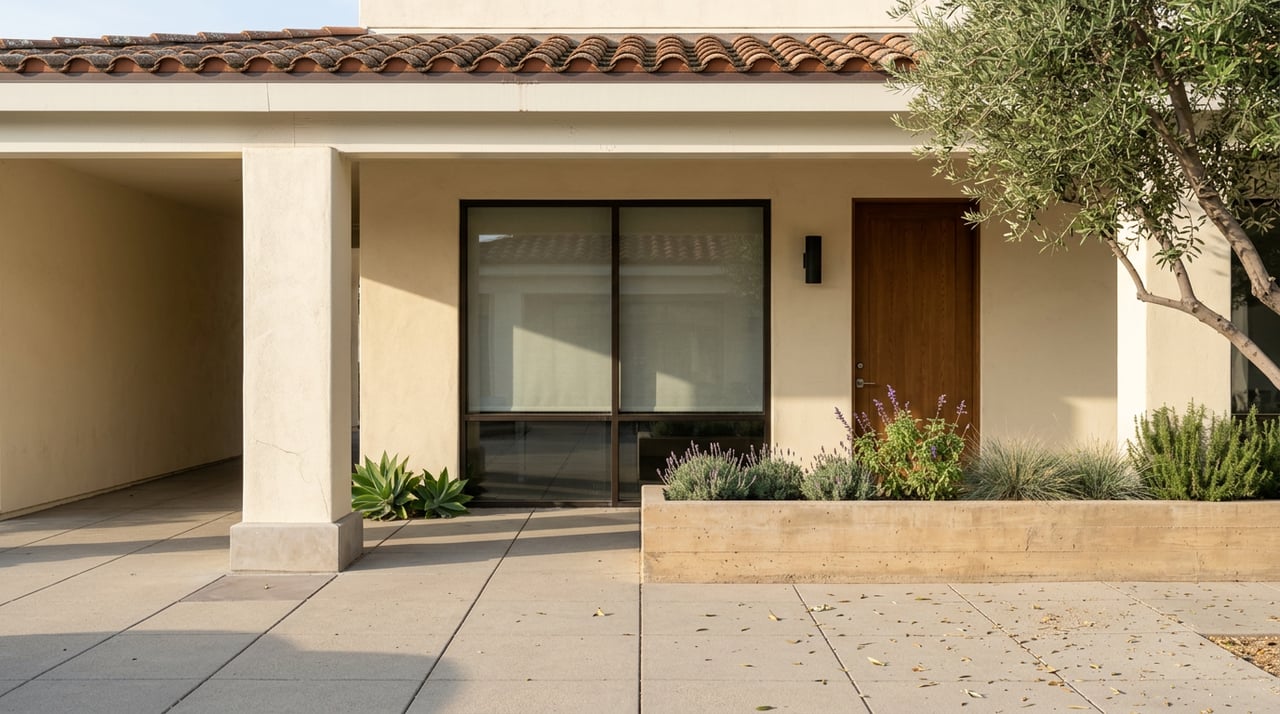
In the 0 to 5 feet closest to your home, favor noncombustible hardscape like concrete, pavers, or compacted aggregate. Keep wood fences, planters, and mulch out of this zone, and maintain clear space under eaves. San Diego Fire-Rescue explains defensible-space practices and current Zone 0 concepts, and the California Board of Forestry provides statewide background.
Paths, driveways, and slopes
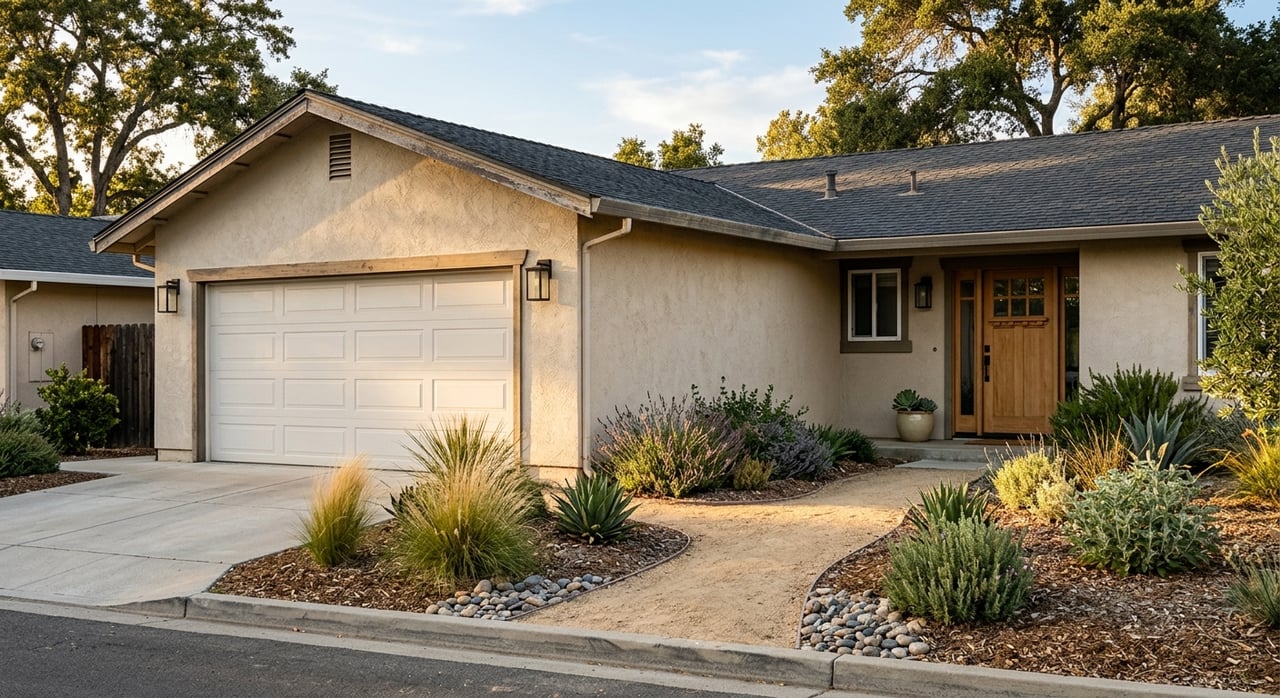
Aim for a continuous, level 36-inch clear walkway from driveway or garage to your main entry. Use slip-resistant finishes and gentle grades. Where you need a ramp, the ADA-style rule of thumb is a maximum slope of 1:12. Long runs may benefit from handrails and a small seating area for resting. On steep lots, you can start with one zero-step entry and add a side ramp or platform lift later.
Water-wise, lower-maintenance plantings
Beyond Zone 0, choose low-water Mediterranean or California-native species to reduce irrigation and pruning. San Diego often offers water-conservation programs and rebate rounds, which change over time. For ideas that balance fire strategy and ecology, review regional guidance on fire-strategic landscaping.
A phased plan and budget for the next 10–20 years
You do not need to do everything at once. A phased roadmap spreads cost and keeps projects manageable.
Phase 1: Immediate safety and comfort
Focus on quick wins that boost safety with minimal disruption. Improve lighting at entries and stairs, add anti-slip strips, install lever handles, place night lights, and use high-contrast step edges. NAHB and AARP checklists highlight these as first steps. Most of these do not require permits.
Phase 2: Short-term upgrades
Address bottlenecks at doors and thresholds. Where possible, swap swing doors for pocket or sliding doors to gain width, or widen critical openings to 36 inches. In bathrooms, add grab bars, a raised toilet, and a handheld shower. Some of these items may qualify for No-Plan or Simple MEP permits in San Diego. Always check with Development Services before you begin.
Phase 3: Medium-term remodeling
Now consider a curbless shower conversion, a main-level bath remodel, reachable kitchen storage, and improved exterior access grading. These often involve plumbing, waterproofing, electrical, or structural work and usually require plans and building permits. This is also a good time to create that fully functional main-level bedroom and bath if you do not already have them.
Phase 4: Long-term mobility solutions
If stairs remain a barrier, install a stairlift as a cost-effective step, or plan for a vertical platform lift or residential elevator for full accessibility. Exterior ramps, engineered site grading, or a main-level primary addition may complete your long-range plan. These larger projects require full permits and, for exterior changes, may also need HOA or CC&R approvals.
What it might cost
Every site and scope is different, but planning ranges help you budget and compare bids.
- Permanent ramps: often about 1,000 to 4,000 dollars, depending on material and length.
- Stairlift, straight run: commonly about 2,000 to 8,500 dollars installed. Curved or high-end models cost more.
- Curbless shower or full accessible bath: several thousand dollars to 15,000 dollars or more depending on tile, waterproofing, and plumbing changes.
- Residential elevator or platform lift: typically tens of thousands of dollars, with site conditions and finishes affecting the final number.
Use these as order-of-magnitude guides. Get at least three written bids and compare scopes, warranties, and timelines.
Permits, HOAs, and hiring pros
Permits in the City of San Diego
Structural changes, many bath and kitchen remodels with plumbing or electrical, and new exterior stairs or grading usually need permits. Simple repairs and like-for-like replacements may qualify for No-Plan or Simple MEP permits. Start by reviewing Development Services FAQs and plan a quick scoping call to confirm what your project requires. If you live in a community with CC&Rs, coordinate visible exterior work like ramps, fences, and hardscape with your HOA before you build.
Vetting contractors
Verify licensing with the California Contractors State License Board. Confirm the license classification fits your scope, and check insurance, bond, and complaint history. For aging-in-place work, remodelers with CAPS training and teams that include occupational therapy input can be helpful on complex projects. Ask for references from similar accessibility jobs and proof of pulling permits.
Financing and assistance
Homeowners often combine savings and home equity with home improvement loans. Some use FHA rehab options like 203(k) or Title I where eligible. Veterans may qualify for VA adaptation grants. Program rules and availability change, and San Diego Housing Commission has offered ADU-related financing in some years. Review local guidance and confirm current program status before you plan around incentives.
Putting it all together in Rancho Bernardo
A smart plan blends comfort, safety, and low maintenance. Start with a main-floor bedroom and bath, a zero-step entry, and simple safety upgrades. Build toward curbless showers, reachable kitchens, and wildfire-smart outdoor spaces. Then, if you stay multi-level, add a stairlift or consider a vertical lift or elevator when the time is right.
If you would like a pragmatic, cost-aware look at a specific Rancho Bernardo home or a phased roadmap for your current property, connect with Lydia Buchanan. With deep construction and real estate experience in North County, Lydia helps you weigh options, estimate cost-to-cure, and move forward with confidence.
FAQs
What does “aging in place” mean for a Rancho Bernardo home?
- It means planning upgrades so you can live comfortably and safely in your current home for years, with a main-floor suite, safer baths, step-free entries, and low-maintenance outdoor spaces.
Which upgrade should I do first if I have a two-story house?
- Prioritize a fully functional main-level bedroom and full bath, followed by a zero-step entry and improved lighting and slip resistance at stairs and porches.
How do wildfire “Zone 0” guidelines affect my front entry design?
- Keep the first 5 feet around the house noncombustible with hardscape and avoid mulch, wood fences, or planters against walls to align with defensible-space best practices.
What doorway and hallway widths should I aim for?
- Plan 36-inch nominal doors and 36-inch clear circulation routes, with a 60-inch turning circle in key rooms if future mobility devices are likely.
How much does a stairlift or elevator cost?
- A straight-run stairlift is often about 2,000 to 8,500 dollars installed, while a residential elevator or platform lift typically runs in the tens of thousands.
Do I need a permit to remodel a bathroom for accessibility?
- Many bath projects involving plumbing, waterproofing, or electrical require permits in San Diego; check Development Services FAQs or speak with DSD before starting.
How can I tell if a contractor is qualified for accessibility work?
- Verify the CSLB license, insurance, and complaints, look for CAPS training or relevant experience, and ask for references and proof of pulled permits for similar projects.
Are there programs to help pay for accessibility upgrades?
- Some owners use FHA rehab loans, VA grants for eligible veterans, or local programs that change over time; review current City and housing commission resources before planning.
References and useful links used in this guide:
- City of San Diego community planning data for Rancho Bernardo: planning demographics
- San Diego Fire-Rescue defensible-space guidance: defensible space and Zone 0
- California Board of Forestry Zone 0 overview: defensible space zones
- ADA Standards for Accessible Design: 2010 ADA Standards
- Threshold guidance reference: federal accessibility thresholds
- NAHB/AARP aging-in-place checklist: CAPS checklist
- Bath planning reference: kitchen and bath planning basics
- Cost ranges and options: NerdWallet overview, ramp cost, stairlift cost, home elevator cost
- San Diego DSD permits: Development Services FAQs
- ADU rules and finance: City ADU info bulletin, San Diego Housing Commission ADU site
- Fire-strategic landscaping perspective: regional landscaping guidance