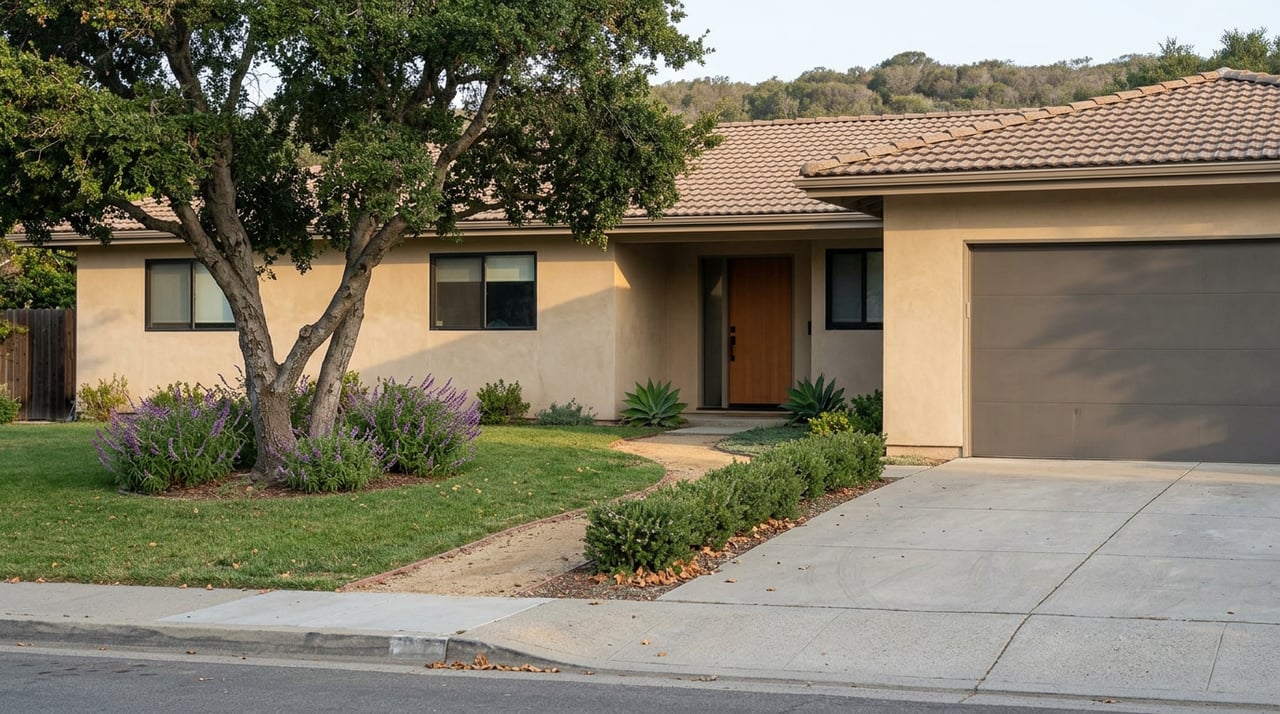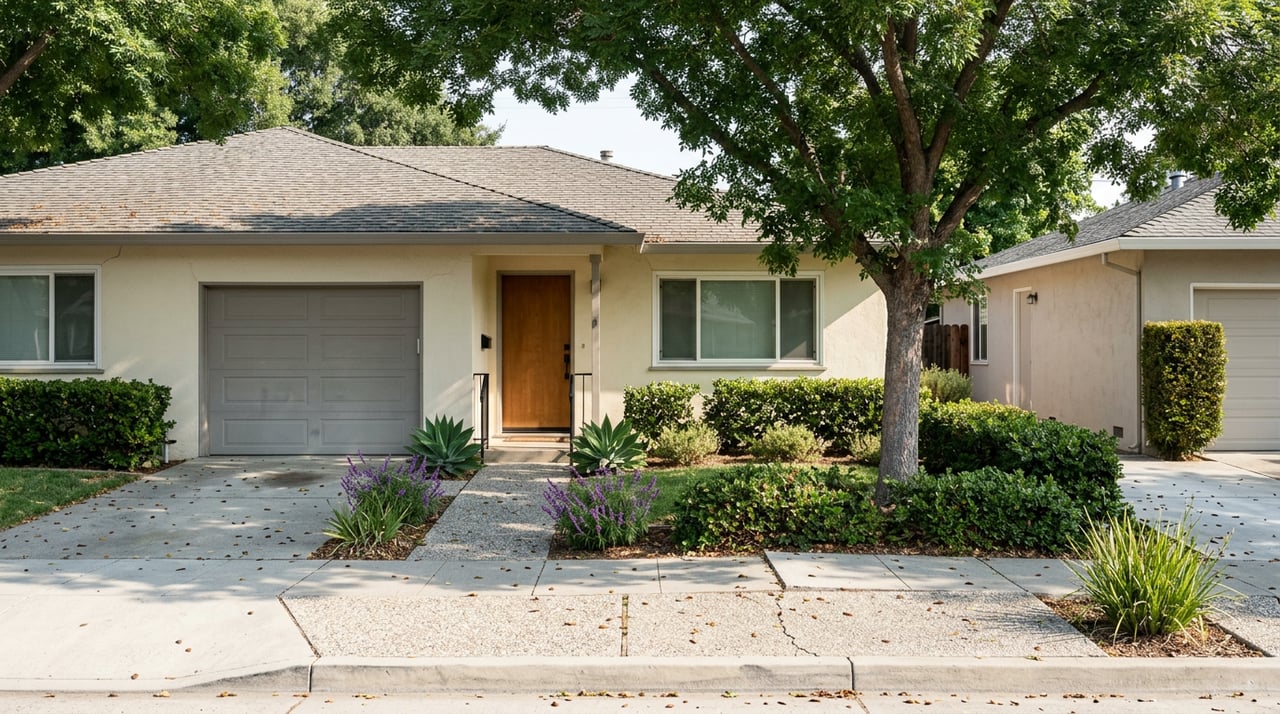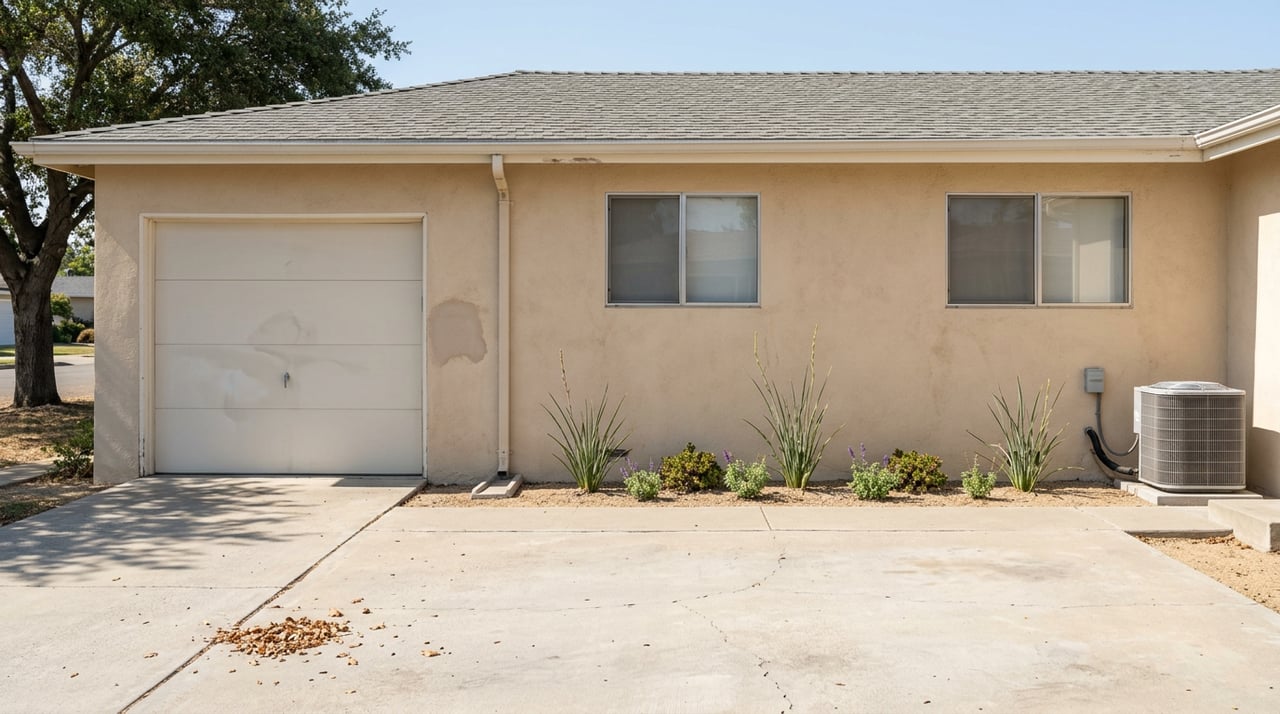
Love the charm of a 1960s ranch or a mid‑century in Escondido? Older homes often come with good bones and character, but the true cost lives in the systems you do not see. If you plan ahead for the big‑ticket items, you can buy with confidence and avoid surprise repairs. In this guide, you will learn where older Escondido homes typically need work, what those fixes often cost, and how to inspect and negotiate like a pro. Let’s dive in.
Why older Escondido homes need a plan
Escondido’s housing stock skews to post‑war and mid‑century builds. Many properties still carry original or second‑life systems nearing the end of their service life, which is why budgeting matters. You can see the local age profile in public data that shows a median year built in the late 1970s and early 1980s for city housing according to city housing snapshots.
Soils are another factor. Inland North County often has expansive clays that swell and shrink with moisture. That movement can stress foundations, retaining walls, and flatwork. Local engineers flag these soils as a primary geotechnical hazard for foundations and piers based on regional engineering insights. Escondido also sits in a broader seismic region. Review your Natural Hazard Disclosure and check for mapped seismic concerns when you are in escrow.
Permit rules and any historic‑resource overlays can shape what you change on the exterior. Plan time to confirm permit scope for structural work and major system replacements with the City of Escondido before you finalize big projects.
The three big‑ticket items to budget first
Roof condition and replacement
Common findings on older homes include near‑end‑of‑life asphalt shingles, aged underlayment, and eave rot. Tile roofs last longer but often hide underlayment issues and cost more to replace. In San Diego County, a typical single‑family roof replacement often ranges from $6,000 to $25,000, with tile or complex roofs higher based on local cost guides. Ask for roof age and invoices, then get a roof inspection if seller details are thin.
Supply plumbing and whole‑house repipe
Older Escondido homes may still have galvanized steel lines or 1978 to 1995‑era polybutylene in some cases. Galvanized restricts flow as it corrodes, and polybutylene carries a known failure risk. A whole‑house repipe in San Diego County commonly runs about $4,500 to $15,000, with PEX usually at the lower end per local repipe specialists. If inspections find galvanized or suspect materials, plan for a repipe allowance.
Sewer lateral and the must‑do sewer scope
The private sewer lateral from the house to the street is your responsibility. Older clay or cast‑iron lines can root, offset, or collapse. A sewer camera scope typically costs about $125 to $500 and is inexpensive insurance during escrow as many pros recommend. If repairs are needed, trenchless spot fixes can be a few thousand dollars and full replacements can run much higher depending on access and length.
Other systems that add up
HVAC systems and ducts
Inland North County homes often rely on central air conditioning combined with a gas furnace or a heat pump. Typical service life for central equipment is about 10 to 20 years. Replacement for a single‑family system, including moderate duct work, often runs about $4,000 to $15,000 and more for high‑efficiency units or large homes per regional cost guidance. Check system age and service records, and get a contractor quote if the unit is 12 to 15 years or older.
Electrical service and panel
Many older homes have 100‑amp service, which can be tight once you add modern appliances or plan for an EV charger. A panel upgrade to 200 amps is a common improvement and typically costs about $1,800 to $4,500 in San Diego County for a standard upgrade with permits per local electricians. Ask an electrician to evaluate safety issues and capacity early in your contingency period.
Windows, doors, and insulation
Single‑pane windows and thin attic insulation are common in older homes. New retrofit windows often run from a few hundred dollars to $1,000 plus per unit depending on frame and performance. Costs vary widely, so use local quotes and weigh comfort and energy savings against other priorities.
Foundation, drainage, and retaining walls
Expansive soils and seasonal moisture cycles can cause uneven floors, cracks, or wall distress in older homes. When you see those signs, bring in a structural engineer for a focused review given regional soil behavior. Typical foundation repairs might be $2,000 to $10,000 for moderate fixes, with deep underpinning or major stabilization reaching $10,000 to $30,000 plus depending on scope per national cost data.
Termites and moisture damage
Southern California homes are within range of both drywood and subterranean termites. Expect a licensed WDO inspection as part of due diligence. Spot treatments and minor repairs can be $500 to $2,000, and whole‑structure fumigation or larger repair packages can be $2,000 to $8,000 plus depending on findings based on termite cost benchmarks.
Lead paint and asbestos in older finishes
Homes built before 1978 may contain lead‑based paint. If you plan renovations or see suspect materials, order targeted testing during escrow. Professional abatement costs vary by scope and method, so get certified contractor guidance before you budget for large removals.
A simple Escondido budgeting framework
Use these quick rules to stay ahead of surprises when you love an older home:
- Start with the big three. Roof, repipe, and sewer lateral drive the largest early costs in older homes. Price them first so you know if the deal still pencils.
- Set a realistic reserve. Many buyers set aside 5 to 10 percent of purchase price for near‑term repairs and maintenance on older homes. If several major systems are aging at once, add a focused $10,000 to $40,000 contingency.
- Prioritize safety and water management. Fix active electrical hazards, gas leaks, roof leaks, and drainage issues first. Water is enemy number one for older structures.
Smart inspection strategy and negotiation
Order these priority inspections as soon as you open escrow:
- General home inspection. Typical local cost is about $300 to $700 depending on size. It flags visible issues across all systems.
- WDO and termite inspection. Often about $100 to $300. Required by some lenders.
- Sewer camera scope. Typically about $125 to $500 and strongly recommended for older laterals.
- Electrician safety and capacity check. Often about $150 to $400 or request a written estimate for upgrades.
- HVAC diagnostic or replacement bid. Helpful if unit age is unknown or performance is poor.
- Structural or foundation engineer review. Recommended when you see settlement signs. Typical about $350 to $900 for an inspection and report.
- Lead or asbestos testing if the home is pre‑1978 or materials look suspect. Targeted tests often about $200 to $600 depending on samples.
How to use your findings:
- Ask for repairs when safety is at stake. Active electrical hazards, major roof leaks, structural failure, or a collapsed sewer line usually require seller repairs before close or a repair escrow.
- Negotiate credits for aging but functional systems. Old HVAC, end‑of‑life roofs, or a needed repipe are often handled as a credit or price reduction supported by contractor bids.
- Get 2 to 3 bids for big items. Attach estimates to your repair request or credit request. Sellers respond better to concrete numbers.
- Confirm permits and final inspections. Verify that past additions and major system changes were permitted and finaled with the City of Escondido. Lack of permits can affect insurance and resale.
What to ask for before you write the offer
- System ages and invoices for the roof, HVAC, water heater, any repipe or sewer work, and any structural reports.
- Disclosure of known defects or past repairs. Review with your inspector so you can target follow‑up specialists.
- A reasonable inspection timeline. You will need time to schedule the sewer scope, WDO inspection, and any specialist visits.
Ready to buy smart in Escondido?
Older homes in Escondido can be a smart buy when you budget with clear eyes and a plan. Start with the roof, repipe, and sewer lateral, then build in reserves for HVAC, electrical, windows, and any foundation or termite work. If you want construction‑savvy guidance, cost‑to‑cure estimates, and strong negotiation strategy, connect with Lydia Buchanan. Together, you can spot risks early and move forward with confidence.
FAQs
What are the most expensive repairs in older Escondido homes?
- The roof, a whole‑house repipe, and the private sewer lateral are the most common big‑ticket items, with HVAC, electrical panel upgrades, foundation fixes, and termite repairs also adding up.
How much should I budget for repairs when buying an older Escondido home?
- Plan a reserve equal to 5 to 10 percent of the purchase price for near‑term needs, plus a focused $10,000 to $40,000 contingency if multiple systems are at end of life.
Do I really need a sewer camera scope if drains seem fine?
- Yes. Older clay or cast‑iron lines can root or collapse without obvious interior symptoms, and a scope that costs about $125 to $500 can prevent a major surprise after closing.
When should I consider a 200‑amp electrical panel upgrade?
- If the home has a 100‑amp service and you plan to add modern appliances, a heat pump, or an EV charger, a 200‑amp upgrade is a common improvement in older homes.
How do expansive soils affect older Escondido foundations?
- Expansive clay soils swell and shrink with moisture, which can lead to cracks, uneven floors, or retaining wall distress. A structural engineer should evaluate any movement signs before you remove contingencies.