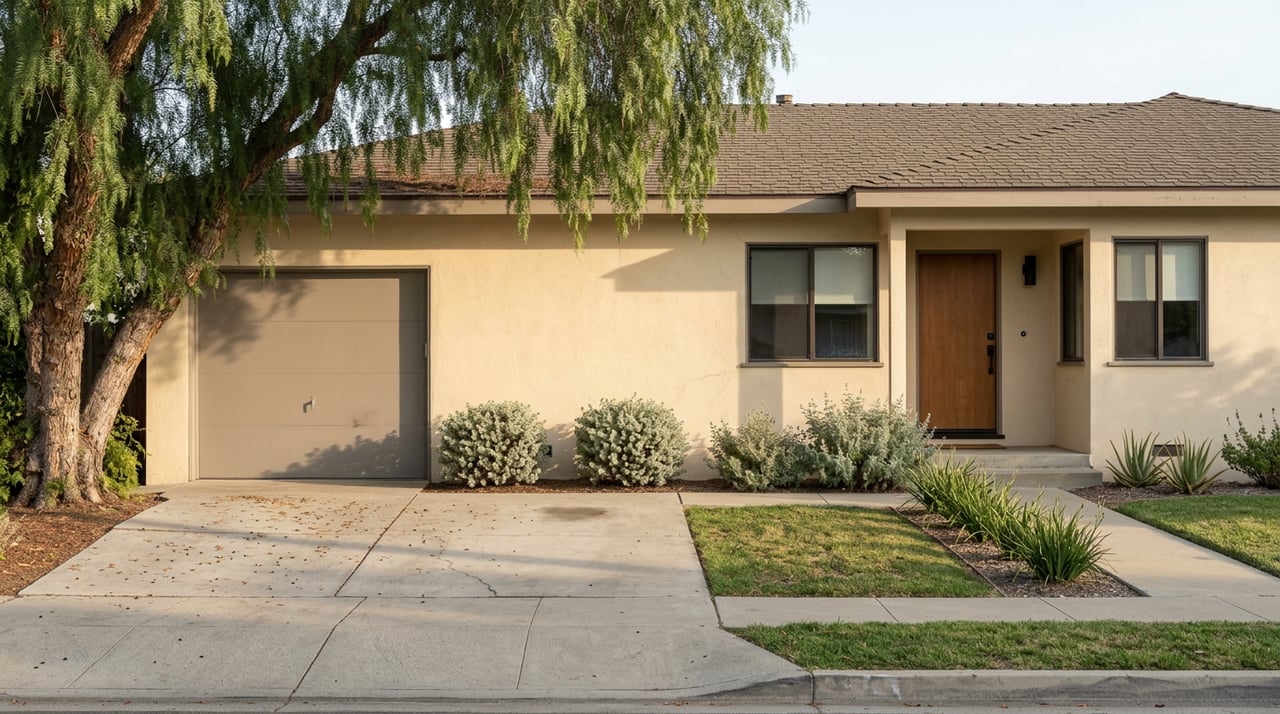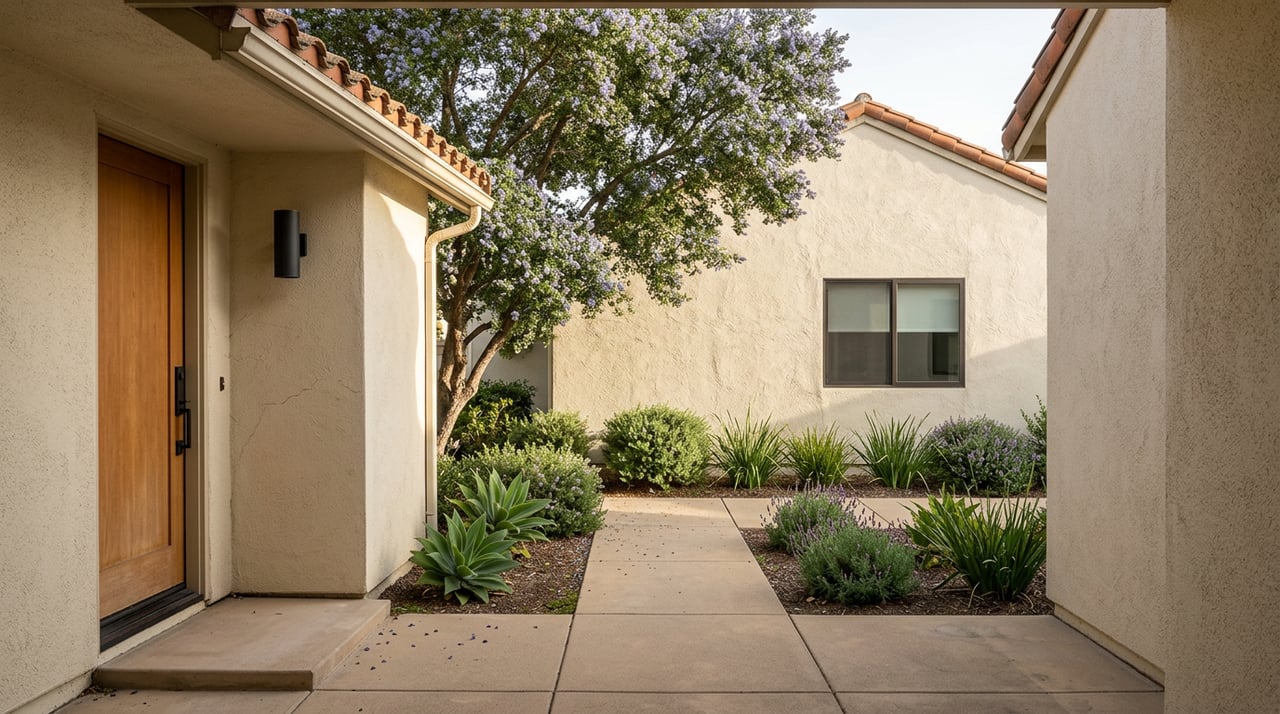
Do you notice jet and helicopter noise over Coronado at certain times and wonder what it means for your home’s value or a future purchase? You are not alone. Many residents have raised questions as Navy flight activity shifts with training cycles. In this guide, you will learn what drives overflights from NAS North Island, what the research says about property values, and practical steps to buy or sell with confidence. Let’s dive in.
NAS North Island at a glance
NAS North Island is a major Navy aviation hub next to Coronado, supporting carriers, squadrons, and training, with operations that can run 24/7. The Navy’s environmental review work discusses how carrier berthing and operational tempo can affect noise and the community. You can review current project updates on the Navy’s Supplemental Environmental Impact Statement page for North Island here.
Helicopters, carrier-capable jets, and tilt-rotor aircraft use the airfield at different times. The Navy’s aviation outreach pages outline common aircraft types and their noise characteristics, which helps explain why sound can vary by day and weather here.
Why flight paths change
Approaches can be visual or instrument based. In clear conditions, pilots may use visual routes that avoid some neighborhoods, while low clouds or poor visibility can shift traffic to straighter instrument tracks. Local reporting has documented how these patterns and training needs influence when and where you hear aircraft over Coronado, and how the FAA’s safety criteria guide routing. For background on recent community concerns, see this Coronado Times report on increased flights and noise questions here.
Short-term spikes are common during carrier air wing training and readiness events. Notices about temporary increases are often posted by local outlets and the Navy. For an example advisory on increased jet operations, see The Coronado News coverage here, and check Naval Base Coronado’s flight operations page for current updates and contacts here.
Noise and home values: what research shows
Academic studies consistently find that aviation noise tends to reduce nearby home prices, although the size of the effect varies by market and method. Some research measures changes per decibel, others use complaint rates or official noise contours. A recent review summarized meaningful price discounts tied to noise metrics and perception indicators here and a Transportation Research study found complaint activity can capture impacts beyond official contour lines here.
Military airfields can differ from commercial airports in aircraft types and operations, but studies focused on military contexts show similar directional effects with local nuance. For perspective on military-airport noise research, see this overview from the Department of Energy’s OSTI library here.
Coronado market context
Coronado is a premium, low-inventory market where many properties trade in the millions. That scarcity and the area’s waterfront lifestyle can moderate how buyers weigh noise against views, location, and amenities. Impacts are not uniform across the island.
Homes closest to approach corridors and the oceanfront may experience more frequent overflight. Local reporting has noted Coronado Shores residents among those most vocal about noise concerns, which aligns with proximity to flight paths. Many buyers still pursue these addresses for unique views and coastal access, while others may seek quieter micro-locations.
Buyer checklist to assess noise
Use a structured process so you can make a clear, confident decision.
- Monitor advisories: Check Naval Base Coronado’s flight operations page for current notices and community contacts here. Review recent examples of temporary increases in local news, like this advisory coverage here.
- Review Navy documents: Look for recent SEIS or AICUZ materials for NAS North Island to understand noise analyses and contours here.
- Visit at different times: Tour the property morning, afternoon, evening, and during low-cloud days if possible. Keep a simple noise log for a week.
- Ask for disclosures: Request the seller’s disclosure packet and any documentation of complaints, mitigation, or past advisories relevant to the property.
- Compare comps thoughtfully: Evaluate sales near known flight paths versus similar homes further away. Consider price per square foot and time on market to identify a reasonable adjustment.
Seller playbook and required disclosures
California law requires sellers and brokers to disclose known material facts that affect value or desirability. Airport influence and neighborhood nuisances may be material and should be addressed through standard forms and questionnaires. Review California Civil Code guidance on natural hazard and related disclosures here.
Be proactive to build trust and reduce post-contract risk. Provide any relevant Navy advisories you have, note complaint history if known, and share documentation for sound insulation or window upgrades. This transparency can prevent disputes and support your pricing strategy.
Mitigation options buyers value
You can improve indoor comfort and reduce perceived noise with practical upgrades. These include high-quality sound-reducing windows and doors, HVAC systems that allow closed-window cooling, and targeted interior acoustic improvements. The Navy’s environmental processes sometimes outline mitigation considerations tied to specific projects, though off-base programs are limited and case specific. For context on ongoing analyses, watch the SEIS page here.
When you budget for improvements, weigh cost against likely market benefit. In a premium market, well-executed upgrades that enhance daily livability can help command attention and support value.
Stay informed and engaged
Use official channels to stay current on operations and to share feedback. Naval Base Coronado’s flight operations and community contacts are posted here. Local media, such as the Coronado Times, regularly report on community meetings and concerns related to overflight here.
Bottom line for Coronado buyers and sellers
Overflight noise in Coronado is real and can fluctuate with Navy training cycles, yet the market remains highly desirable and supply constrained. Research shows noise can reduce prices, but the effect depends on location, aircraft exposure, and the unique strengths of each property. With good information, clear disclosures, and smart mitigation, you can navigate this issue and make a confident move.
If you want practical, step-by-step guidance on evaluating noise, pricing strategy, or cost-effective mitigation, reach out to Lydia Buchanan. You will get contractor-level insight and straightforward real estate advice tailored to your goals.
FAQs
What is NAS North Island and how often are flights?
- NAS North Island supports carrier and squadron operations next to Coronado, with activity that can run 24/7 and periodic spikes tied to training cycles; check current updates on the Navy’s page here.
How does jet noise typically affect home prices?
- Studies show aircraft noise generally reduces nearby home values, with size of impact varying by market and method; see research summaries on price effects here and on complaint-based impacts here.
Which Coronado areas experience more overflight?
- Exposure varies, but properties near approach corridors and along the oceanfront can experience more frequent overflight, as reflected in local reporting on Coronado Shores concerns here.
Are recent increases in flights permanent?
- Local notices point to episodic increases tied to training and deployment cycles rather than a permanent change in routing; see an example temporary advisory report here.
What must Coronado home sellers disclose about overflight?
- California requires disclosure of known material facts that affect value or desirability, so sellers should address airport influence and relevant nuisances through standard forms; review Civil Code guidance here.