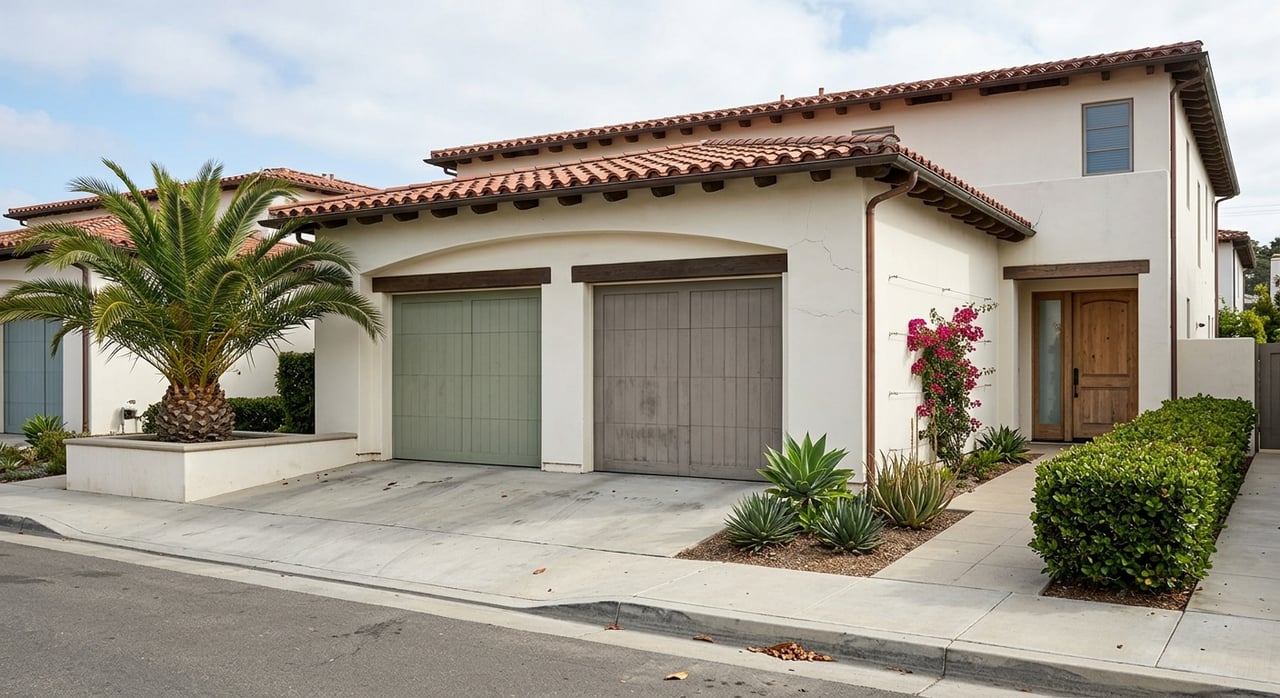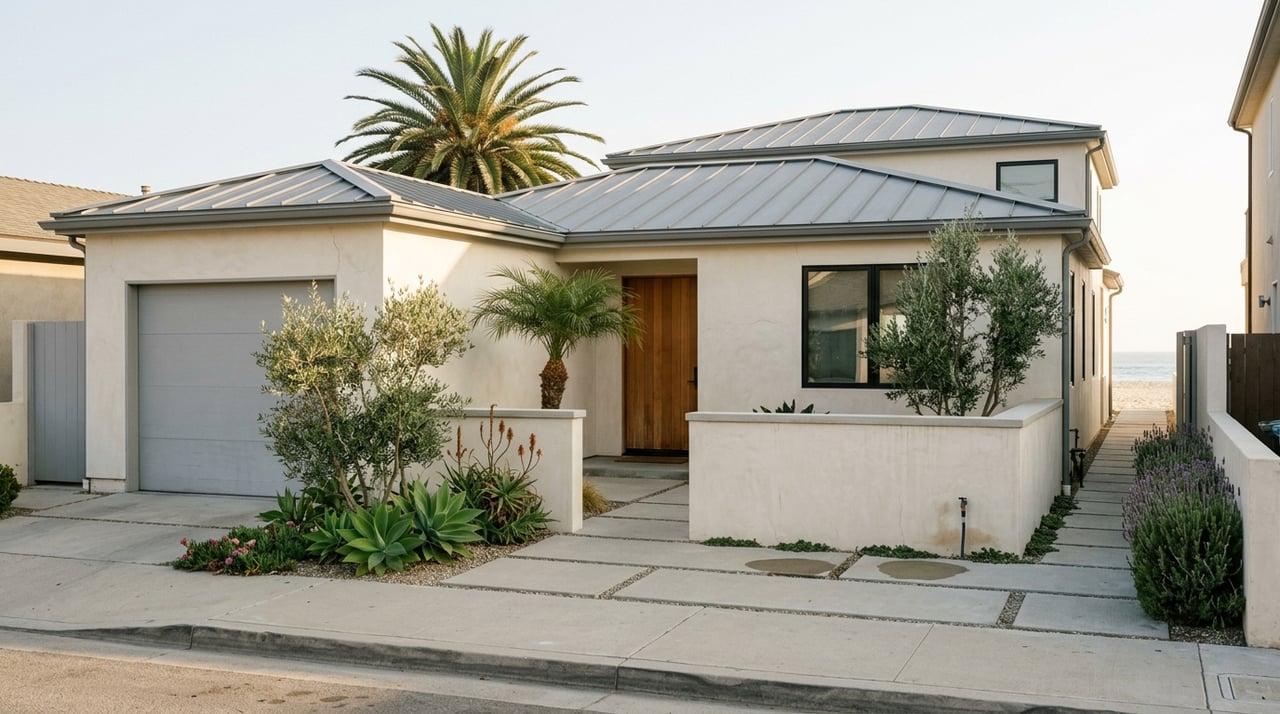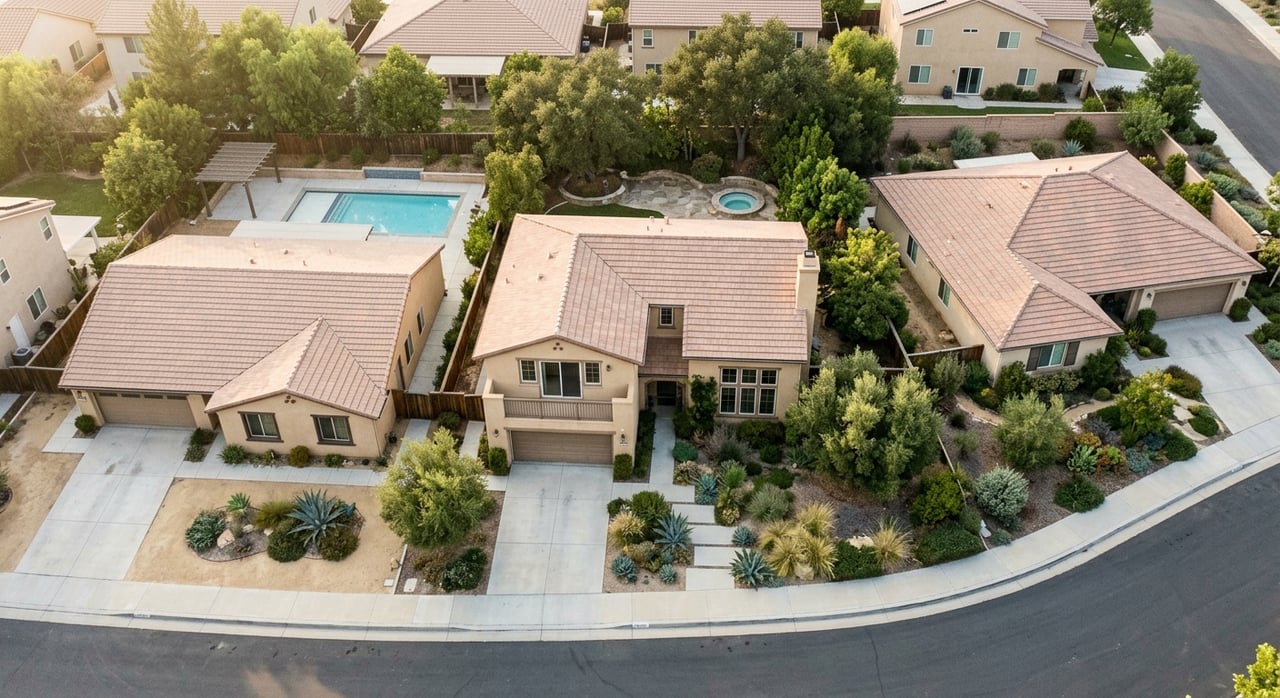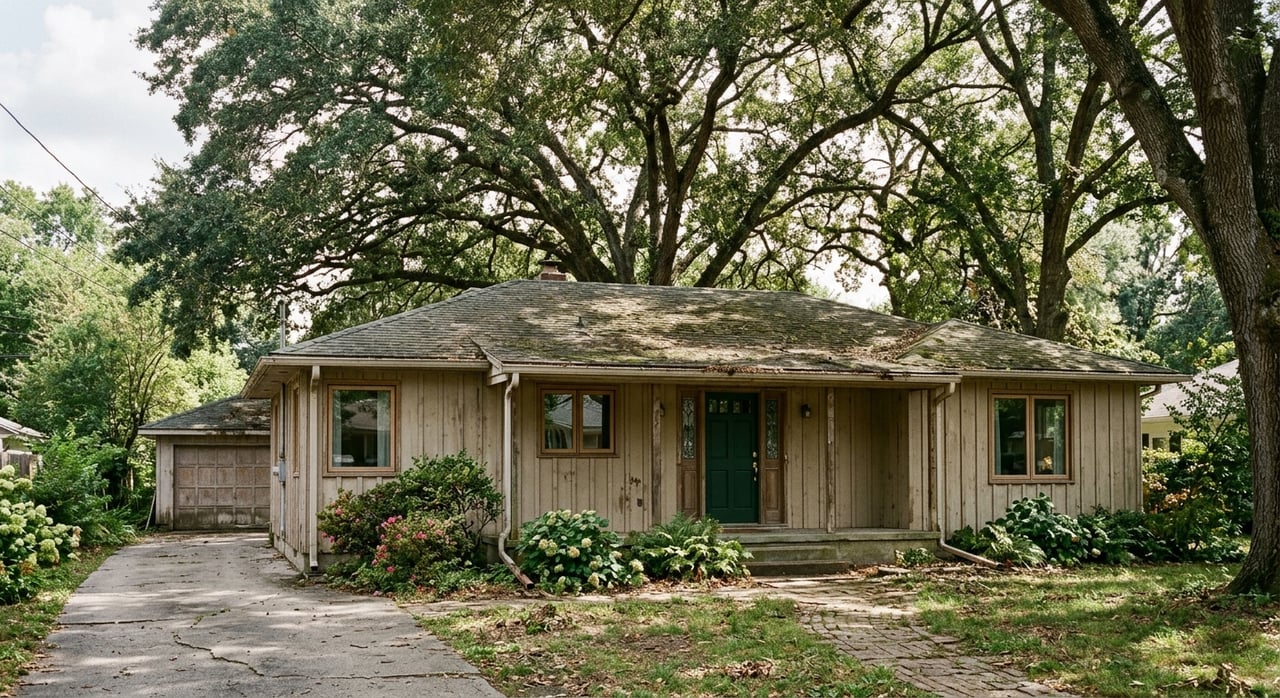
If you are trying to choose between a newer area and an established neighborhood in Escondido, you are not just comparing style. You are weighing home age, maintenance risk, location, and how much work you want to take on after closing. In a city with a large share of older housing and a smaller number of concentrated growth areas, that tradeoff matters. This guide will help you compare your options with a practical lens so you can make a more confident move. Let’s dive in.
Why this choice matters in Escondido
Escondido has both long-established neighborhoods and pockets of newer growth, but the housing mix leans older overall. The city’s housing-element analysis says about 76% of homes are more than 30 years old, and 88% are more than 20 years old.
That means “established” in Escondido covers a wide range. It can mean mid-century homes, 1970s and 1980s neighborhoods, and in some places, much older historic homes. If you are house hunting here, the age of the home is often one of the biggest factors in your decision.
What established areas usually offer
Established areas in Escondido often feel more organic because they developed over time rather than under one newer planning framework. In practical terms, that can mean a broader mix of lot sizes, home styles, and street patterns.
Many established neighborhoods are also closer to central Escondido features. Based on city geography and transit patterns, central areas are more likely to be near downtown amenities, Grand Avenue, and the Escondido Transit Center.
Older homes bring more variety
City housing-age data shows a large share of Escondido homes were built from the 1960s through the 1980s. In the city’s 2018 ACS-based housing table, 27.6% of units were built in 1980 to 1989, 25.8% in 1970 to 1979, and 12.9% in 1960 to 1969.
For you as a buyer, that means established areas are not all the same. One block may have ranch-style homes from the 1960s, while another may have homes from the late 1970s or 1980s with a different layout and maintenance profile.
Renovation potential can be a plus
If you like the idea of improving a property over time, established neighborhoods may give you more options. Older homes can offer value-add potential through updates, repairs, and smarter use of the existing footprint.
This is where a practical inspection mindset matters. Escondido’s housing analysis notes that homes more than 30 years old are more likely to need rehabilitation, including plumbing, roof, and foundation work.
Maintenance can be less predictable
The upside of an older home often comes with more unknowns. The city identifies common code and condition issues in older housing such as electrical wiring, windows, roofs and exterior components, and heating and air-conditioning systems.
That does not mean every established home will need major work. It does mean your budget should leave room for cost-to-cure items, especially if the home has deferred maintenance.
Pre-1978 homes need extra care
If a home was built before 1978, lead-based paint is a more important question. EPA guidance says homes from that era are more likely to contain lead-based paint, and renovation or repainting can create lead dust if lead-safe practices are not used.
For buyers considering older Escondido homes, this is not a reason to avoid them. It is simply a reminder to approach repairs and updates carefully and to plan for the right renovation process.
What newer areas usually offer
Newer areas in Escondido tend to reflect more coordinated planning. The city says much of its new residential growth is expected in the Downtown Specific Plan, South Centre City Specific Plan, and East Valley Specific Plan areas.
In these locations, land use, design, transportation, and facilities are intentionally coordinated. That often creates a more unified feel than neighborhoods that evolved over many decades.
Planning is more intentional
Escondido’s specific planning areas are designed with infrastructure and development working together. The city also identifies Opportunity Areas where infrastructure improvements are focused to support housing, redevelopment, and revitalization.
For you, that usually translates to neighborhoods that feel more planned from the start. Street layouts, development patterns, and public improvements may feel more cohesive than in older parts of the city.
Newer construction can reduce early repair needs
One practical reason buyers lean toward newer areas is the potential for fewer immediate repair issues. Compared with older homes, newer properties generally come with less immediate rehab risk simply because major systems are newer.
That can be a good fit if you want a more turn-key move. You may trade some character or central location for lower near-term maintenance demands.
Master-planned examples feel different
Rancho San Pasqual is one example the city describes as a master-planned community that used clustered development to preserve hillsides and include public and private amenities. That helps illustrate how some newer Escondido housing was shaped by larger planning goals rather than lot-by-lot growth.
If you value coordinated design and community layout, newer areas may feel more predictable. That consistency can be a real benefit when you want a clear picture of what the neighborhood setting will be like.
Location tradeoffs to think through
For many buyers, the decision is not really old versus new. It is location versus project scope.
Central established neighborhoods are often better positioned for proximity to downtown, Grand Avenue, and transit connections. Outlying newer areas may offer newer infrastructure and easier access to major road networks like I-15 and SR-78.
Downtown and transit access
Escondido’s main regional travel corridors are I-15 and SR-78. The NCTD SPRINTER runs about 22 miles roughly parallel to SR-78, serves 15 stations, and connects at the Escondido Transit Center with BREEZE bus service.
If you want easier access to transit and central city amenities, an established neighborhood closer to the urban core may be more appealing. That can be especially useful if you value convenience and shorter trips to everyday destinations.
Access to city amenities
Escondido offers a wide mix of public attractions and open-space destinations. The city highlights the California Center for the Arts, Queen Califia’s Magical Circle, the San Diego Zoo Safari Park, Daley Ranch, open-space preserves, and the Coast-to-Crest trail.
The city is also investing in downtown through the Grand Avenue Vision Project, which is intended to preserve the historic feel of downtown while improving pedestrian comfort and streetscape quality. Phase II was completed in 2025.
A special note on historic areas
Some established areas come with added rules that can affect renovation plans. The clearest example is the Old Escondido Historic District.
The district includes about 900 homes built from the mid-1880s to the present, and exterior changes require a certificate of appropriateness. If you love the idea of a historic home, make sure you also understand the review process before planning exterior updates.
Historic charm comes with review requirements
In a typical subdivision, exterior updates may be mostly about budget and design preference. In a historic district, exterior repairs or changes may require city approval.
That is not a drawback for every buyer. But if your plan includes major exterior customization, it should be one of your first checkpoints, not something you discover later.
Do not forget recurring ownership costs
When you compare neighborhoods, look beyond the purchase price and inspection report. Ongoing ownership costs can differ too.
The city has a citywide Community Facilities District to help offset ongoing municipal-service costs for new development. In practical terms, some newer neighborhoods may have assessment-related carrying costs that older neighborhoods do not.
How to choose the right fit for you
The best choice depends on how you balance convenience, condition, and long-term goals. A newer area may make sense if you want coordinated planning, newer infrastructure, and less immediate rehab work.
An established area may be a better fit if you want a more central location, a wider mix of housing styles, or the chance to improve a home over time. If you are considering a historic-core property, add city review requirements to your checklist from day one.
In Escondido, this is rarely a simple style decision. It is a practical decision about age, location, maintenance, and how much project management you want to take on after you get the keys.
If you want help evaluating the real tradeoffs between a turn-key home and a value-add opportunity, Lydia Buchanan can help you look past the listing photos and understand the true condition, potential, and costs before you make your move.
FAQs
What is the main difference between newer and established areas in Escondido?
- Newer areas in Escondido are more likely to have coordinated design and newer infrastructure, while established areas usually offer older housing, more variety in style and layout, and greater renovation potential.
Are most homes in Escondido older homes?
- Yes. The city’s housing analysis says about 76% of homes are more than 30 years old and 88% are more than 20 years old.
What repairs are more common in established Escondido neighborhoods?
- The city says older homes are more likely to need rehabilitation involving plumbing, roofs, foundations, electrical wiring, windows, exterior components, and heating and air-conditioning systems.
What should buyers know about historic homes in Escondido?
- In the Old Escondido Historic District, exterior changes require a certificate of appropriateness, so buyers should confirm review requirements before planning exterior updates.
Are newer Escondido neighborhoods always less expensive to own?
- Not necessarily. The city has a Community Facilities District tied to new development, so some newer neighborhoods may have assessment-related carrying costs that older neighborhoods do not.
Which Escondido areas are more likely to be near downtown and transit?
- Central established neighborhoods are generally more likely to be closer to downtown Escondido, Grand Avenue, and the Escondido Transit Center based on the city’s geography and transit network.