If you have owned your Rancho Bernardo home for many years, selling can feel like a big project before it ever becomes a transaction. You may be wondering what to fix, what to disclose, what paperwork to track down, and how to avoid spending money in the wrong places. The good news is that confidence usually comes from a simple plan, not a perfect house. Let’s dive in.
Why preparation matters in Rancho Bernardo
Rancho Bernardo is a long-established community within the City of San Diego, and many homes here have decades of updates, repairs, and permit history behind them. That often means sellers need a little more preparation before listing than they would with a newer property.
Recent market data also points to a practical reality. Redfin reported a median sale price around $850,000 over the three months ending May 2026, with a median 21 days on market and a 98.6% sale-to-list ratio, while Zillow reported an average home value of $993,546 and a median sale price of $875,500 for a similar period, with homes going pending in about 19 days. The exact numbers differ by source, but the message is clear: well-prepared homes can still move, and buyers are paying attention to price and condition.
That does not mean you need a full remodel. It means condition, documentation, and pricing discipline matter more when buyers have choices.
Start with a cost-to-cure mindset
If you have lived in your home for a long time, it helps to think like a buyer for a moment. Buyers tend to notice signs of deferred maintenance quickly, and they often estimate the cost of repairs higher than the actual number.
A smart first step is to review the home for issues that could affect value, financing, inspections, or buyer confidence. This is where a cost-to-cure mindset matters more than a design mindset. In other words, focus on what needs to work, what needs to be safe, and what could raise red flags.
What to inspect first
California’s Real Estate Transfer Disclosure Statement focuses on the condition of the property. The state disclosure guide highlights systems and components such as:
- Central heating and air conditioning
- Plumbing and electrical systems
- Roof age and visible roof concerns
- Water heater bracing or strapping
- Windows and doors
- Garage door openers
- Pools and spas
- Sewer or septic systems
- Foundation-related concerns
That gives you a strong roadmap for your own pre-listing review. In many longtime homes, the first priorities are:
- Active leaks or signs of past water intrusion
- Roof wear or drainage issues
- HVAC age, failure, or poor performance
- Electrical problems
- Plumbing issues
- Visible slab or foundation concerns
- Safety items likely to come up during inspections
The goal is not to make the home flawless. The goal is to reduce surprises.
Look beyond cosmetic updates
Fresh paint can help, but cosmetics should not distract from bigger issues. If a home has hidden maintenance problems behind nice finishes, buyers often find them during due diligence anyway.
That is especially important in older homes. Federal rules require sellers of most pre-1978 housing to disclose known lead-based paint information, provide the EPA pamphlet, and give buyers an opportunity for an inspection unless that right is waived. California’s disclosure guide also treats lead-based paint as a separate disclosure topic.
If your home was built before 1978, it is worth taking a careful look at any known history, past repairs, and areas with chipping or disturbed painted surfaces. This is another place where early preparation can make the listing process smoother.
Sort out permits early
Permit questions can become stressful late in a transaction, especially when buyers, appraisers, or lenders ask about past work. If you added onto the home or changed major systems over the years, it is wise to review records before you go on the market.
The City of San Diego’s Development Services Department maintains building permits, plans, maps, and related records for city properties. It also offers online searches for permits and applications from 2003 to the present. That can be useful if you are trying to confirm whether work such as additions, garage conversions, patio covers, solar installation, HVAC replacement, or electrical and plumbing upgrades was permitted and finalized.
Why permit history matters
The city states that permits are required for new construction, additions, remodeling, and repairs to electrical, mechanical, and plumbing systems. Separate permit paths also exist for work such as rooftop solar, HVAC, plumbing and gas, and electrical updates.
You may not need to solve every historical permit question before listing. But you do want to identify possible issues early so you can decide how to present them, disclose them, and avoid last-minute confusion.
Review disclosures with care
California sellers are expected to disclose known material facts about a property. For longtime owners, this often takes extra thought because your knowledge of the home may stretch back many years.
The Transfer Disclosure Statement is a disclosure, not a warranty. That distinction matters. You are not promising a perfect home. You are expected to share known information about the property’s condition as accurately as you can.
Natural hazard zones are worth verifying
California’s Natural Hazard Disclosure framework includes mapped hazard zones such as:
- Very high fire hazard severity zones
- Wildland fire areas
- Earthquake fault zones
- Seismic hazard zones
- Inundation areas
If you have owned your home for a long time, do not assume you already know the current hazard status. It is better to verify than guess.
Choose updates that support your sale
One of the biggest mistakes sellers make is over-improving right before listing. If you are preparing a longtime Rancho Bernardo home for sale, the best return often comes from targeted repairs and visible refreshes, not major custom remodels.
The 2025 Pacific-region Cost vs. Value report found strong recoupment for projects like garage door replacement at 262%, steel entry door replacement at 205.4%, fiber-cement siding replacement at 130.4%, and a midrange minor kitchen remodel at 129.1%. By comparison, a midrange bath remodel recouped 91%, vinyl window replacement 85.3%, wood window replacement 87.3%, and a primary suite addition just 18.6%.
NAR’s 2025 Remodeling Impact Report also found that Realtors commonly recommend painting the entire home, painting a single interior room, and installing new roofing before listing. Among projects with the highest cost recovery were a new steel front door, closet renovation, and new fiberglass front door.
Best places to spend before listing
In many cases, your pre-sale budget goes further when you focus on:
- Repairs that remove buyer objections
- Clean, neutral presentation
- Paint where needed
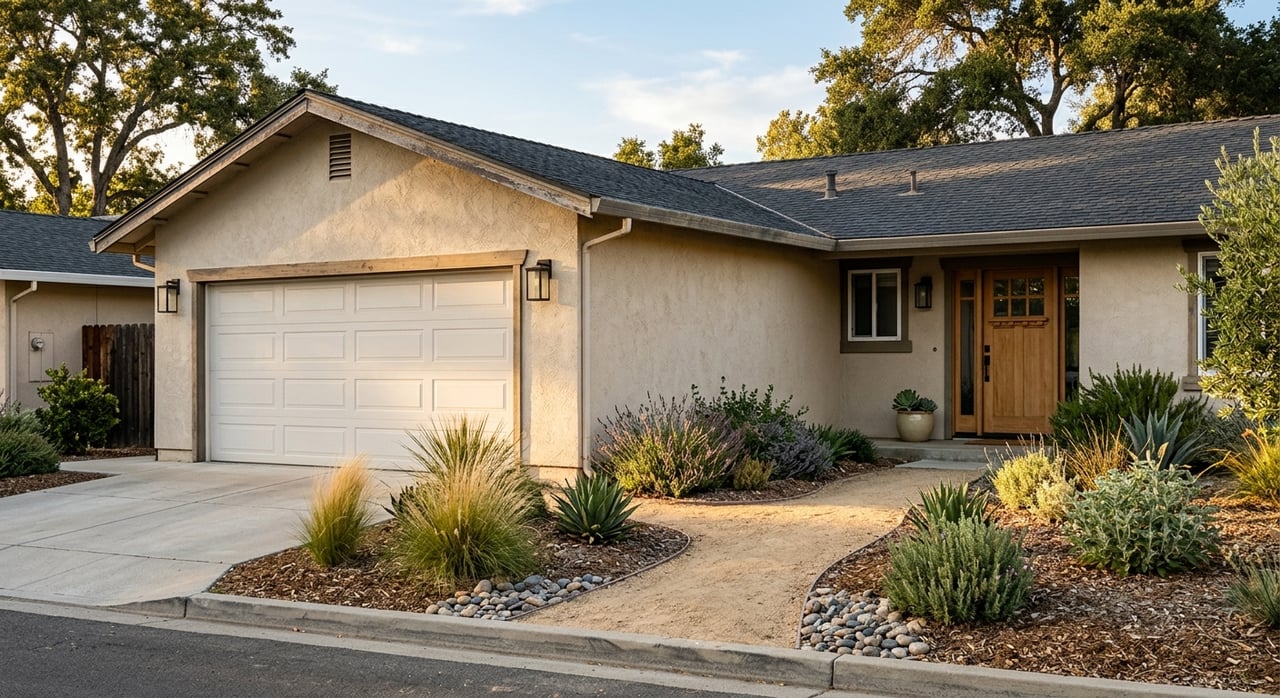
- Strong curb appeal
- Front entry improvements
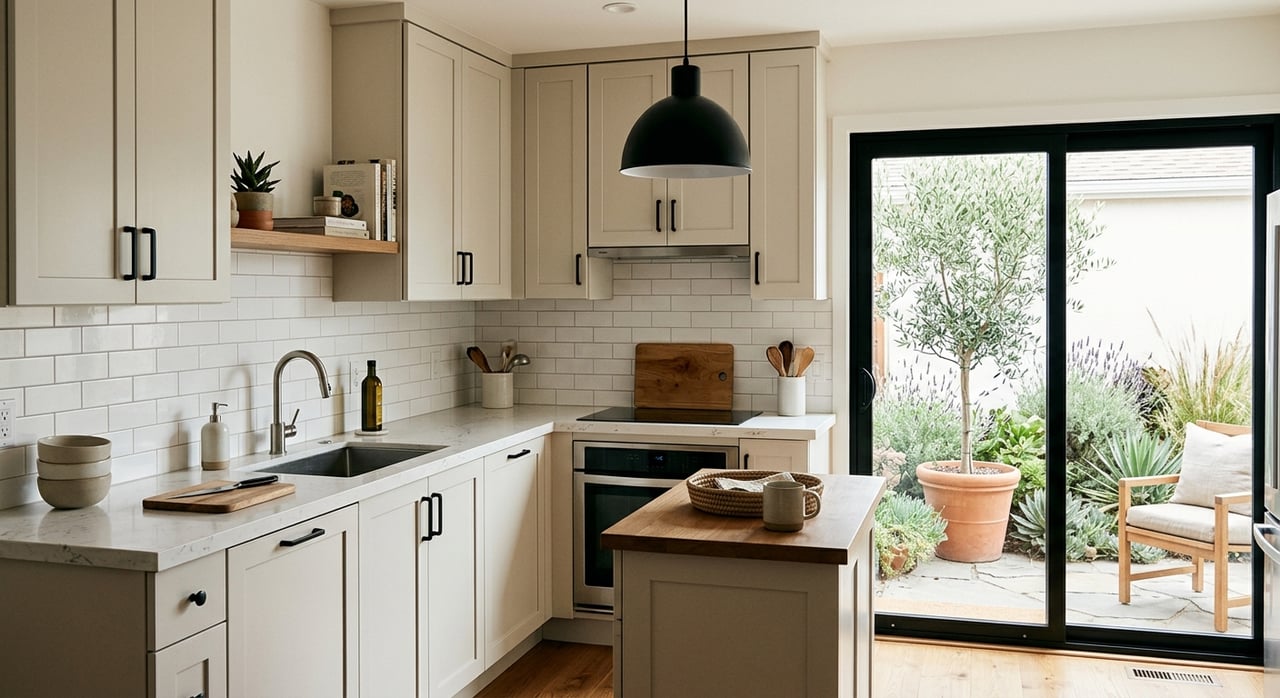
- Functional kitchen touch-ups instead of full remodels
- Roofing or system work when the condition supports it
If a larger project does not solve a real functional problem or support your target price, it may not be the best use of your money.
Create a clear selling timeline
Selling a longtime home often feels easier when you break it into steps. Instead of trying to do everything at once, move through the process in a practical order.
A strong sequence for many Rancho Bernardo sellers looks like this:
- Gather records and past home documents
- Review permit history
- Walk the property for maintenance issues
- Make a short list of repairs and refreshes
- Prepare disclosures carefully
- Coordinate packing, staging, and timing
- Price the home based on current market conditions
This kind of plan reduces unknowns, and that alone can make the process feel much more manageable.
Think about your move after the sale
For some longtime California owners, the next move is not just about where you want to live. It may also involve property tax planning.
According to the California State Board of Equalization, Proposition 19 allows eligible homeowners who are at least 55, severely disabled, or victims of wildfire or natural disaster to transfer the taxable value of their primary residence to a replacement primary residence anywhere in California, as long as the replacement home is purchased or newly constructed within two years of the sale of the original home. The guidance also notes that eligible homeowners age 55 or older, or disabled homeowners, may use this benefit up to three times.
Prop 19 also changed certain inherited-property exclusions. The Board of Equalization states that the parent-child transfer exclusion is now limited to a family home that was the transferor’s principal residence and becomes the transferee’s principal residence, or to a family farm.
If either issue could affect your plans, it is worth building that timing into your sale strategy early.
Confidence comes from reducing unknowns
Selling a longtime Rancho Bernardo home does not require perfection. It requires a plan that makes the home easier for buyers to understand and easier for you to leave with peace of mind.
When you focus on condition, documentation, realistic updates, and a clear timeline, you put yourself in a much stronger position. That practical approach helps reduce stress, limit surprises, and support a smoother sale from start to finish.
If you want a practical, experienced perspective on what to fix, what to document, and how to position your home for today’s market, Lydia Buchanan can help you see your home’s potential and build a smart plan for your sale.
FAQs
What should you fix before selling a longtime Rancho Bernardo home?
- Start with active leaks, roof wear, drainage issues, HVAC concerns, electrical or plumbing problems, and other items likely to affect inspections or buyer confidence.
Do you need permits for older work done on a Rancho Bernardo home?
- The City of San Diego requires permits for many types of construction, additions, remodeling, and electrical, mechanical, and plumbing repairs, so it is wise to review permit history before listing.
What disclosures matter when selling an older home in California?
- Sellers should carefully complete the Transfer Disclosure Statement, disclose known material facts, address natural hazard disclosure requirements, and provide any required lead-based paint disclosures for most pre-1978 homes.
Are big remodels worth doing before selling a Rancho Bernardo home?
- Usually, targeted repairs and visible refreshes offer better return than large custom remodels, especially when the goal is to remove buyer objections and support pricing.
Can Proposition 19 help when moving after selling a longtime California home?
- Eligible homeowners may be able to transfer the taxable value of their primary residence to a replacement primary residence anywhere in California if they meet the Board of Equalization rules and timing requirements.