Selling a home in Rancho Bernardo often comes down to one question: do you want surprises on the buyer’s timeline or your own? If you are getting ready to list, it is normal to wonder whether a pre-listing home inspection is worth the cost and effort. The good news is that, in many cases, it can give you more control over repairs, disclosures, pricing, and timing before your home hits the market. Let’s dive in.
What a pre-listing inspection means
A pre-listing home inspection is a general home inspection that you order before putting your property on the market. In California, a home inspection is a noninvasive physical examination of the home’s essential structural, mechanical, electrical, and plumbing components in a one- to four-unit residential property.
The written report is meant to identify material defects and recommend further evaluation when needed. For Rancho Bernardo sellers, that can be especially helpful because it gives you an earlier look at issues that could affect value, safety, habitability, or buyer confidence.
What it usually covers
A typical inspection is broader than a quick walk-through, but it still has limits. It is visual and noninvasive, which means it does not open walls, perform destructive testing, or replace a specialist.
Depending on the property, the inspection may also include a noninvasive review of pool or spa safety features recognized by California law. If you request it, certain energy-efficiency items may also be included, such as insulation, HVAC, water heating, windows, ducts, and fans.
What it does not cover well
A pre-listing inspection is not the same as a structural engineering review, pest inspection, or permit-history investigation. If the inspector flags concerns about moisture, foundation movement, roof conditions, drainage, electrical issues, or possible unpermitted work, the next step is usually a more targeted review by the right expert.
That distinction matters. A general inspection helps you screen for issues early, but it should be treated as the start of your review process, not the end.
Why Rancho Bernardo sellers often benefit
For many sellers, the biggest benefit is simple: timing. When you learn about a problem before the listing goes live, you have more time to decide what to do with it.
That extra time can help you:
- Get contractor bids
- Compare repair costs with likely buyer credits
- Pull together permit records
- Plan around a pricing strategy
- Clean up your disclosure package before negotiations begin
Instead of reacting under pressure after a buyer’s inspection, you can make decisions with a clearer head and better information.
Fewer surprises during negotiations
California’s disclosure system puts a lot of weight on what sellers know and disclose. The Transfer Disclosure Statement says it is not a warranty and not a substitute for inspections, but buyers may rely on the information in deciding whether and on what terms to purchase.
That is one reason a pre-listing inspection can be useful. If obvious issues are discovered before marketing starts, you can address them, disclose them clearly, or price around them rather than letting a buyer uncover them first and reset the conversation.
More control over your disclosures
In California, sellers of residential property are required to disclose the condition of the home before title transfers. Brokers and salespersons also have a legal duty to make a reasonably competent and diligent visual inspection of accessible areas and disclose material facts affecting value or desirability.
A pre-listing inspection can support a cleaner, more consistent disclosure process. It does not replace your disclosure duties, but it can help you organize what needs to be explained, documented, repaired, or investigated further.
Rancho Bernardo’s local factors matter
Rancho Bernardo is within the City of San Diego, so city planning, permit, and fire-rescue resources are often the right first stop for parcel-specific questions. That local context makes pre-listing preparation more important than many sellers realize.
Fire zone compliance can affect your timeline
San Diego’s fire hazard mapping is parcel-specific, not just broad neighborhood guidance. The city notes that inclusion in very high fire hazard zones depends on factors such as vegetation density and slope severity.
If your property is in a High or Very High Fire Hazard Severity Zone, San Diego Fire-Rescue requires defensible-space inspection documentation for a sale. The city says that after a request is made, the inspection typically takes 10 to 14 business days. If you wait too long, that can create avoidable stress during escrow.
Permit questions are easier to handle early
If an inspection suggests an older addition, remodel, patio enclosure, or other alteration may need a closer look, early review can save time later. The City of San Diego provides building records from 2003 to the present online, and records from 1955 to 2003 by request.
That means you may be able to confirm the history of improvements before a buyer starts asking questions. If there is a mismatch between the home and available records, you can decide how to address it before it becomes a negotiation problem.
Hazard maps should be used carefully
Local hazard information matters, but it should be used as a screening tool, not as a substitute for inspection or expert review. The city’s fire mapping is parcel-specific, while seismic and flood resources are better viewed as general guidance rather than property-specific engineering analysis.
For sellers, the practical takeaway is straightforward: check the local maps early, understand whether any special documentation may apply, and avoid assuming broad area labels tell the full story about your parcel.
When a pre-listing inspection makes the most sense
Not every Rancho Bernardo seller needs one, but it is often a smart move in certain situations.
Older homes or updated homes
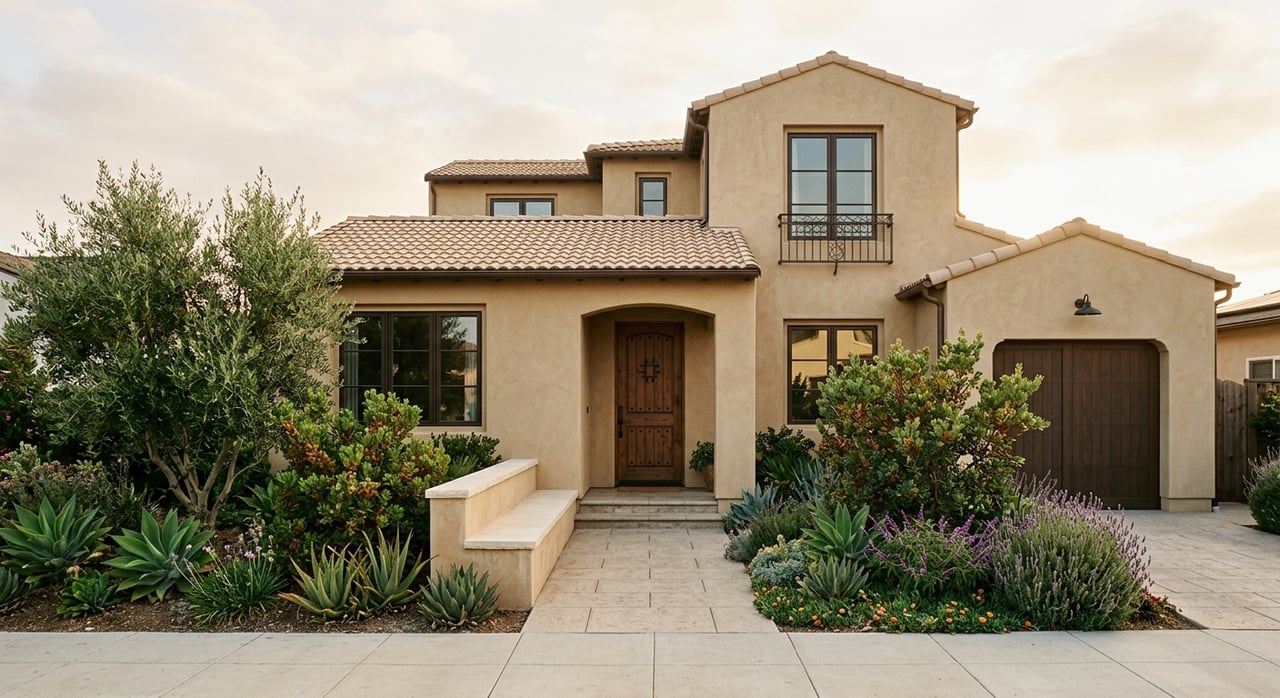
If your home is older, has had renovations over the years, or includes additions and system upgrades, a pre-listing inspection can help you identify what may draw buyer questions. Even well-maintained homes can have aging roofs, older plumbing materials, deferred maintenance, or electrical items that matter once a transaction is underway.
Homes with pools or spas
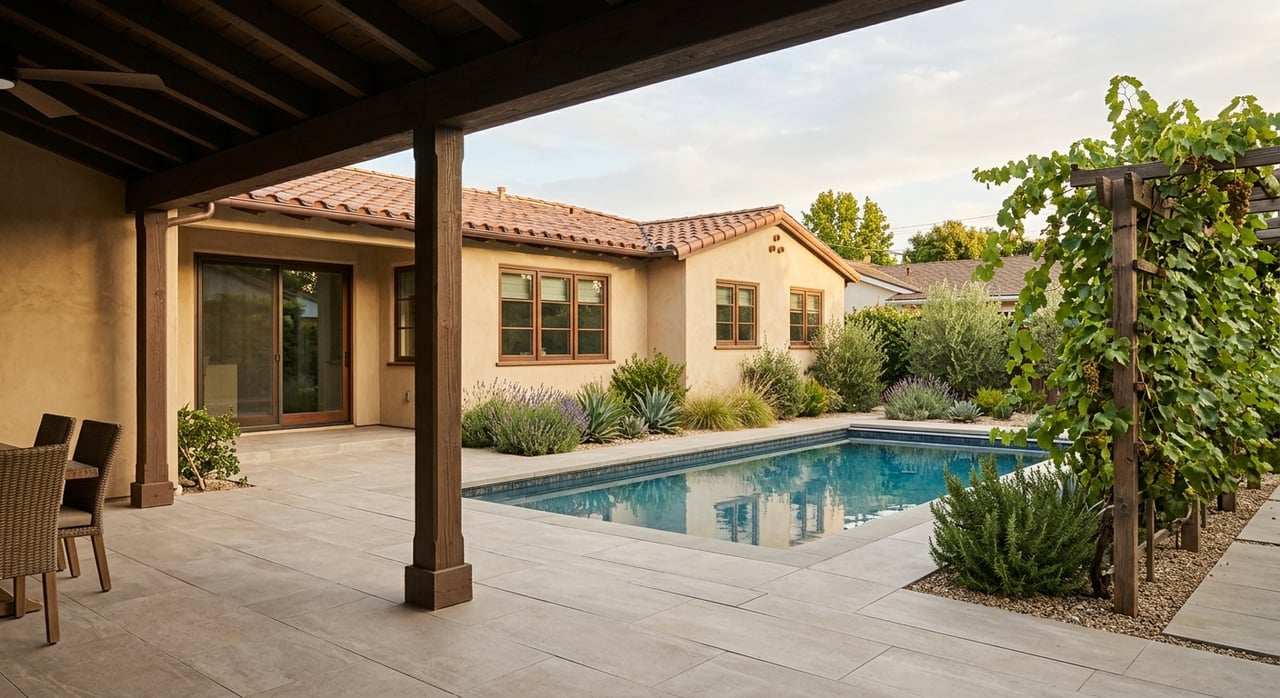
If your property has a pool or spa, a pre-listing inspection can help you understand whether the required safety features appear to be in place. Since California law recognizes specific pool and spa safety features, it is useful to review those items before buyers and inspectors do.
Homes near fire-prone terrain
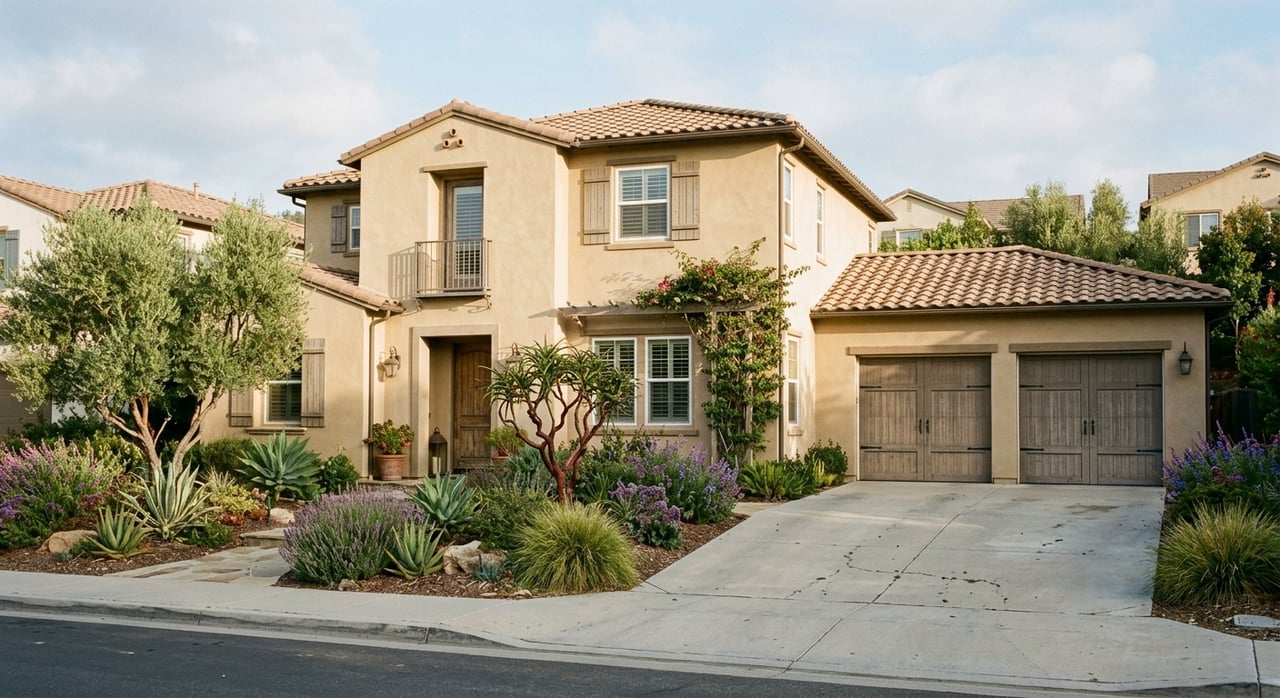
Because Rancho Bernardo includes areas influenced by slope, open space, and vegetation, some homes may face added wildfire-related review. If your parcel may fall in a mapped fire hazard zone, starting early gives you time to request any required defensible-space inspection and complete related prep work.
Sellers who want a smoother listing process
If your goal is a cleaner launch with fewer mid-escrow surprises, this is where a pre-listing inspection often earns its keep. It gives you a chance to approach the market with more confidence and a more organized plan.
The tradeoffs to consider
A pre-listing inspection is helpful, but it is not always easy. The biggest downside is that it may uncover issues you were not expecting and now need to address in some way.
That does not always mean you must repair everything. In many cases, the better choice may be to disclose the issue clearly, gather bids, offer a credit, or adjust price expectations.
Not every finding is a major defect
California law draws an important line here. A material defect is a condition that significantly affects value, desirability, habitability, or safety. Cosmetic style issues do not fall into that category.
That means not every line item in an inspection report should trigger panic. A worn finish, dated fixture, or minor cosmetic flaw is very different from a roof leak, electrical hazard, or drainage problem affecting the structure.
General inspections have limits
It is also important to remember that home inspections are noninvasive and visual. They do not cover everything, and the seller’s and agent’s visual inspection duty also does not extend to inaccessible areas or off-site public records and permits.
So if the report raises a concern, the smart move is usually to verify it. In practice, that often means bringing in the right specialist and checking city records when needed.
How to use the report strategically
A pre-listing inspection is most valuable when you use it as a planning tool. Once the report comes in, the next steps should be clear and practical.
A smart next-step sequence
If the inspection finds a problem, a strong seller workflow usually looks like this:
- Verify the finding
- Determine whether it affects safety, habitability, or value
- Check permit history if the issue involves older work or alterations
- Get contractor bids or specialist opinions when needed
- Decide whether to repair, disclose, offer a credit, or price around it
- Keep your disclosure packet consistent with the facts
This approach helps you avoid rushed decisions and keeps your listing strategy grounded in real information.
Focus on the highest-priority items first
If you do decide to make repairs, start with conditions that affect safety, habitability, or value. Those are the items most likely to influence buyer confidence and negotiations.
Lower-priority cosmetic issues can still matter for presentation, but they are usually a separate conversation from material defects. The key is to know the difference and budget your time and money accordingly.
So, should you get a pre-listing inspection?
For many Rancho Bernardo sellers, the answer is yes, if you want more control. It is not a universal legal requirement, and it does not replace California’s disclosure rules, but it can be a very practical risk-management step.
In a market where timing, transparency, and clean negotiations matter, a pre-listing inspection can help you spot issues earlier, prepare better disclosures, check permit history, and avoid getting blindsided by local fire-zone requirements. In short, it helps you make decisions before the market makes them for you.
With Lydia’s contractor-level background and long real estate experience, you can sort findings into what is serious, what is cosmetic, and what may be best handled through pricing, credits, or targeted repairs. If you want a practical plan before you list, reach out to Lydia Buchanan for a free consultation and home valuation.
FAQs
Is a pre-listing home inspection required in Rancho Bernardo?
- No. The main legal duties are seller disclosures and, for some properties in High or Very High Fire Hazard Severity Zones, defensible-space documentation required by San Diego Fire-Rescue.
What does a pre-listing inspection usually cover in California?
- It generally covers a noninvasive review of the home’s essential structural, mechanical, electrical, and plumbing components, with possible review of pool or spa safety features and some energy-efficiency items if requested.
What should Rancho Bernardo sellers fix first after an inspection?
- Start with issues that affect safety, habitability, or value, since those are the conditions California treats as material defects.
How do fire hazard zones affect a Rancho Bernardo home sale?
- If your property is in a High or Very High Fire Hazard Severity Zone, San Diego Fire-Rescue requires defensible-space inspection documentation for the sale, and the city says the inspection typically takes 10 to 14 business days after request.
Can a pre-listing inspection help with permit questions in Rancho Bernardo?
- Yes. If the inspection raises concerns about older additions or remodels, you can compare the home to City of San Diego building records before buyers begin their own due diligence.
Do hazard maps replace a home inspection for Rancho Bernardo sellers?
- No. Local fire, flood, and seismic maps are useful screening tools, but they are not a substitute for inspection, specialist review, or parcel-specific follow-up when questions arise.